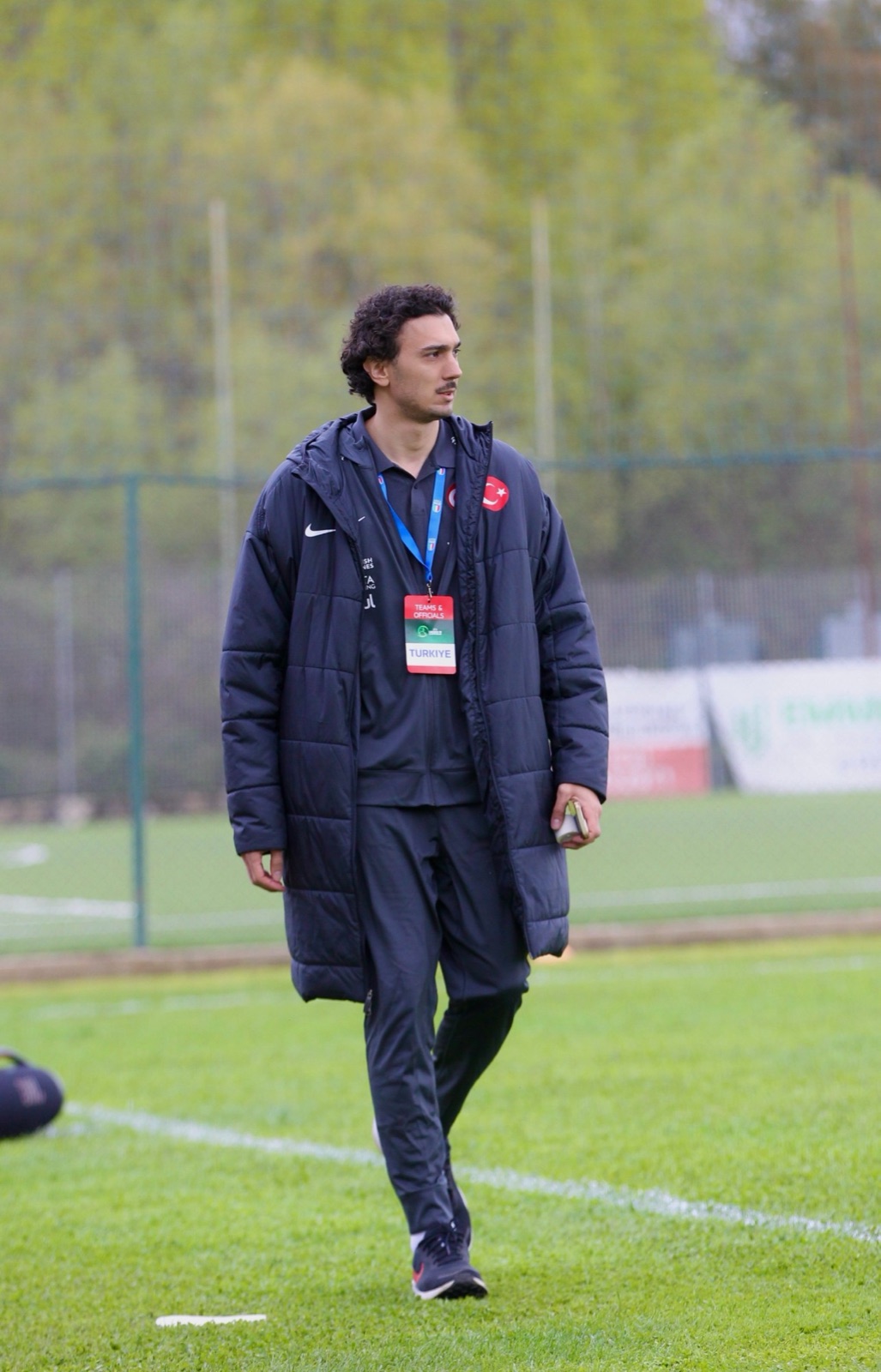
Sport psychology is the science that examines the role of these psychological and social factors in athletic performance, athlete development and well-being.
You don’t need a problem to start
Sport psychology is not something you turn to only when a problem appears. Just as physical and technical skills are trained regularly, psychological skills can be worked on as a natural part of performance.
Sometimes the aim is to cope with a difficulty, sometimes to develop a specific mental skill, and sometimes to help athletes understand themselves and their performance better.
Who is it for?
- AthletesDeveloping the psychological skills that support performance and well-being.
- CoachesWork on communication, leadership, motivation and approaches that support athlete development.
- Athletes’ FamiliesStrengthening healthy communication and supportive parenting during the athlete’s development.
- Teams & ClubsWork on team communication, psychological safety, athlete development and healthy sporting environments.
How does the work proceed?
Every athlete, team and sporting environment is different. Instead of a one-size-fits-all programme, the work takes needs, goals, the sport and the season calendar into account.
Individual sessions may include, alongside conversation, goal setting, performance reviews, imagery, attention and focus training, breathing and relaxation practices or other psychological skills exercises.
Wherever possible, the work is planned so that it transfers to the athlete’s real training and competition experience.
The mind needs training too.
Focusing, making decisions under pressure, getting back into the game after a mistake or preparing psychologically for an important competition are not fixed personality traits.
Just like physical and technical skills, psychological skills can be learned, practised and developed.
To bring sport psychology into your work, you can schedule an intro call.